Menu
In an age where multitasking has become the norm, the dangers of distracted driving have never been more prevalent. Each year, thousands of lives are lost and countless others are injured due to drivers not giving their full attention to the road. In fact, distracted driving crashes have cost $98 billion in 2019 alone. While distractions can come in many forms, there are three primary culprits that stand out as the most common causes of distracted driving. Understanding these forms of distraction is crucial for promoting safer driving habits and reducing the risk of accidents on our roads.
From texting and browsing social media to making phone calls, the temptation to check our phones while driving can be irresistible. However, the consequences can be catastrophic. Taking your eyes off the road for just a few seconds to read or send a text can result in a serious accident. Despite widespread awareness campaigns and legislation aimed at curbing cellphone use while driving, the allure of our devices remains a significant threat on the road.
Distraction isn’t always caused by external factors like smartphones; sometimes, it’s simply a matter of failing to focus on the task at hand. Daydreaming, zoning out, or letting your mind wander while driving can be just as dangerous as any other form of distraction. It only takes a split second of inattention for an accident to occur. Whether you’re lost in thought, preoccupied with personal issues, or simply not paying attention, failing to remain fully engaged with the road ahead puts you and others at risk.
In today’s fast-paced world, the pressure to juggle multiple tasks simultaneously is ever-present. However, when it comes to driving, multitasking is a recipe for disaster. Eating, drinking, grooming, adjusting the radio, or even conversing with passengers can all divert your attention away from the road. While these activities may seem harmless in isolation, they can significantly impair your ability to react quickly and make split-second decisions while driving. By attempting to multitask behind the wheel, you not only endanger yourself but also everyone else sharing the road with you.
So, what can be done to combat these forms of distracted driving? Awareness is key. Recognizing the dangers posed by mobile devices, inattention, and multitasking is the first step towards promoting safer driving habits.
Additionally, education campaigns, stricter laws, and enforcement measures can help deter drivers from engaging in distracting behaviors. Ultimately, it’s up to each individual to prioritize safety and commit to giving their full attention to the road whenever they’re behind the wheel.
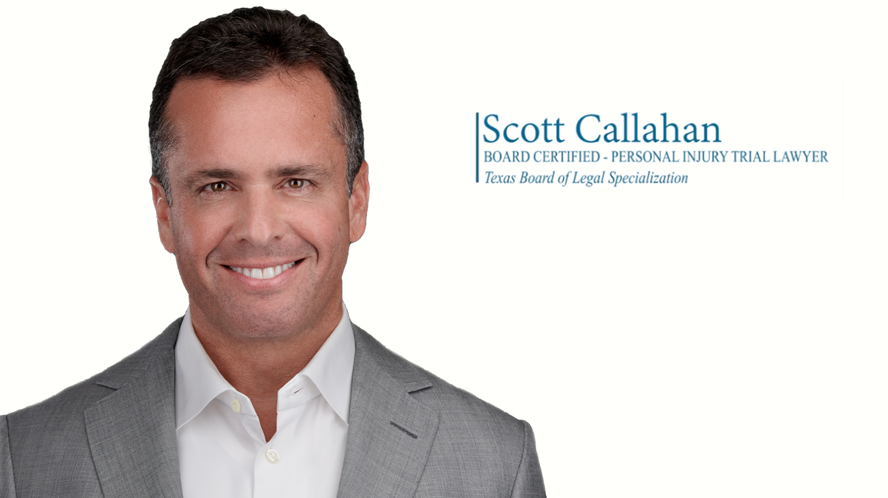
If you’ve found yourself the victim of a car wreck caused by a distracted driver, it’s important to engage with a qualified lawyer to understand how best to proceed with your claim. Lawyer Scott Callahan is board-certified in personal injury trial law and has over 25 years of experience of handling cases where distracted driving has resulted in tragic consequences.
By understanding the risks associated with distracted driving and taking proactive steps to minimize distractions, we can all play a part in making our roads safer for everyone. Whether it’s putting down our phones, staying focused on the road ahead, or avoiding multitasking while driving, every effort counts towards preventing accidents and saving lives. Let’s pledge to drive with care, consideration, and undivided attention – because no text, call, or distraction is worth risking your life.
Being involved in a car wreck is a stressful experience, and navigating the aftermath can be overwhelming. From dealing with injuries to handling insurance claims, there’s a lot to consider in the aftermath. Unfortunately, certain things people do (intentionally or unintentionally) after an accident can harm your chances of receiving the most compensation you deserve. Let’s explore the top five things people can do to harm their car wreck claim and offer tips on how to avoid these pitfalls.
In the heat of the moment, it’s natural to feel flustered and perhaps even apologetic, regardless of who was truly at fault. However, admitting fault at the scene of the accident can be detrimental to your claim, as it can be used against you by insurance companies and opposing parties. It’s essential to avoid making any statements that could be construed as an admission of guilt and instead focus on exchanging the necessary information with the other parties involved.
After a car accident, seeking prompt medical attention is crucial, even if you don’t believe your injuries are severe. Delaying medical treatment not only jeopardizes your health but also weakens your claim for compensation. Insurance companies may argue your injuries aren’t serious or weren’t directly caused by the accident if you wait too long to see a doctor. Documenting your injuries and receiving appropriate medical care as soon as possible strengthens your case and ensures your well-being.
Evidence is key in supporting your car wreck claim. Failing to gather relevant evidence at the scene of the accident, such as photos of the damage, contact information of witnesses, and a police report can significantly hinder your ability to prove liability and damages. Take thorough documentation of the accident scene, including the positions of vehicles, road conditions, and any visible injuries, to help strengthen your claim.
In today’s digital age, it’s tempting to share every aspect of our lives on social media, including details of a car accident. However, posting about your accident or injuries on social media platforms can be detrimental to your claim. Insurance companies and opposing parties may use your social media posts to discredit your injuries or dispute the severity of the accident. It’s best to refrain from discussing the accident or your injuries on social media until your claim is resolved.
Insurance adjusters often request recorded statements from accident victims shortly after the incident. While it may seem harmless to comply, providing a recorded statement without legal counsel present can be risky. Insurance adjusters are trained to get information to use against you to minimize the value of your claim. Before speaking with any insurance representatives, consult with an experienced attorney who can advise you on how to protect your rights and negotiate with insurers on your behalf.
Navigating the aftermath of a car accident requires caution and strategic decision-making to protect your rights and maximize your chances of receiving fair compensation. By avoiding these common pitfalls and seeking guidance from legal professionals, you can strengthen your car accident claim and achieve a favorable outcome.
Scott Callahan is a board-certified personal injury attorney and has been successfully handling car wreck claims for over 25 years. The law firm is available 24/7 to discuss your claim at 713-888-9000. Call for a free consultation.
Remember to prioritize your health, gather evidence, and refrain from engaging in activities that could undermine your case. With careful attention to detail and proactive measures, you can navigate the claims process with confidence and secure the compensation you deserve.
Being involved in an 18-wheeler accident is a scary situation for a driver. A passenger vehicle will always incur more damage than an 18-wheeler or semi-truck simply due to differences in size and force on impact. In 2021, 117,300 large trucks (defined by the National Safety Council as any large or medium truck, excluding buses or motor homes, weighing greater than 10,000 lbs.) were involved in a crash. Of those, 5700 resulted in death.
Some of the largest trucking companies in the United States include UPS, J.B. Hunt, and XPO Logistics.
There are a host of parties that can be held liable:
The truck driver can also be responsible for maintaining their rig and performing inspections on the truck prior to hitting the road. If they failed to perform their checks or did not maintain their truck, the individual could have additional responsibility attributed to them.
Due to a national truck driver shortage, companies may feel pressured to hire under qualified drivers, push drivers to continue to drive past their physical limitations, or fail to provide adequate training. Carriers can also financially incentivize their drivers with unrealistic metrics, which in turn causes drivers to engage in risky driving practices to meet their goals.
More so than the individual driver, the carrier is responsible for the maintenance, inspection and repair of their fleet. Motor carriers can also engage in practices such as improperly loading cargo or not safely securing loads.
Other parties involved in a commercial vehicle accident can include:
Insurance coverage is very different for 18-wheelers than it is for your personal car. There are multiple coverages available to properly compensate you for things like medical expenses, pain and suffering, lost wages and more.
If you are in an 18-wheeler accident, you should consult with an experienced, board-certified personal injury attorney as soon as possible. Your attorney will develop a strategy to give you the most compensation to recover and move forward with your life.
Scott Callahan is a board-certified Katy personal injury lawyer by the Texas Board of Legal Specialization and has been in practice for 25 years. Give us a call today – we are available 24/7 at 713-888-9000.